Stress Relief Toys for Kids: Helping Children Relax, Focus, and Feel Calm
Wiki Article
Children today face many reasons for stress, from schoolwork and social pressures to busy schedules and sensory overload. Stress relief toys for children are simple, engaging tools made to help children manage emotions, improve focus, and feel more enjoyable in a healthy and playful way.
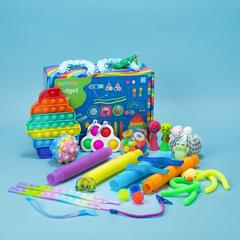
What Are Stress Relief Toys for Kids?
Stress relief toys for youngsters are specially designed objects that supply calming sensory input through touch, movement, or gentle resistance. Unlike regular toys, their main purpose is usually to support emotional regulation, reduce anxiety, and help children keep a clear head. They are popular at home, in classrooms, plus therapy settings.
Popular Types of Stress Relief Toys for Kids
There are numerous kid-friendly stress reliever toys, each offering different benefits:
1. Stress Balls and Squishy Toys
Soft stress balls and squishy toys allow children to squeeze, stretch, and release tension. They are great for calming nerves, improving hand strength, and providing sensory comfort.
2. Fidget Toys
Fidget spinners, fidget cubes, and pop-it toys help keep little hands busy. These toys are especially helpful for youngsters who have trouble still or concentrating during learning activities.
3. Sensory Putty and Slime
Putty and slime give you a fun, hands-on sensory experience. Stretching and molding these materials will help children relax, express creativity, minimizing feelings of stress or frustration.
4. Textured and Sensory Toys
Toys with various textures, for example soft fabrics, bumps, or ridges, provide calming sensory input. They are often accustomed to help children who reap the benefits of tactile stimulation.
5. Tangle and Twist Toys
Twistable and bendable toys allow repetitive movement, that may be soothing and grounding for youngsters experiencing anxiety or restlessness.
Benefits of Stress Relief Toys for Kids
Stress relief toys offer several developmental and emotional benefits:
Emotional Regulation: Helps children manage big emotions like anger, anxiety, or frustration
Improved Focus: Supports attention during homework, reading, or classroom activities
Reduced Anxiety: Calming sensory input helps children feel safe and relaxed
Motor Skill Development: Strengthens fine motor skills and hand coordination
Healthy Coping Skills: Encourages positive ways to deal with stress
Who Can Benefit from Stress Relief Toys?
Stress relief toys will benefit children of all ages. They are specifically helpful for:
Kids experiencing school-related stress
Children with attention or sensory processing challenges
Highly active or restless children
Kids who feel anxious in new or overstimulating environments
These toys are often used by parents, teachers, counselors, and occupational therapists as supportive tools.
Choosing Safe Stress Relief Toys for Kids
When selecting to reduce anxiety toys for children, safety and suitability are necessary:
Age-Appropriate Design: Avoid small parts for younger children
Non-Toxic Materials: Ensure toys are manufactured from child-safe, BPA-free materials
Durability: Strong construction to face up to squeezing and stretching
Quiet Operation: Ideal for classroom or bedtime use
Always supervise youngsters during play.
How to Use stress toys for anxiety Effectively
Stress relief toys work most effectively when integrated into daily routines. Encourage children to use them during homework, before bedtime, or even in stressful situations for example exams or travel. Teaching kids when and the way to use these toys helps them develop lifelong coping skills.
Stress relief toys for kids are more than just fun accessories—they are valuable tools for emotional well-being, focus, and development. By offering comfort through play and sensory engagement, these toys help children navigate stress in a very positive and healthy way. With the right choices, parents and educators can certainly produce a calmer, more supportive environment for every single child.